Delegation visits the institute of Nuclear physics to establish strategic scientific collaboration
A delegation consisting of Jamoliddin Razzokov, Eldor Karimbaev, Maksudbek Yusupov, and Sirajul Haq visited the Institute of Nuclear Physics of the Academy of Sciences of Uzbekistan to initiate and strengthen bilateral scientific cooperation. The delegation was warmly received by the Institute Director, Academician Ilkham Ismailovich, and Professor Mannab Tashmetov.
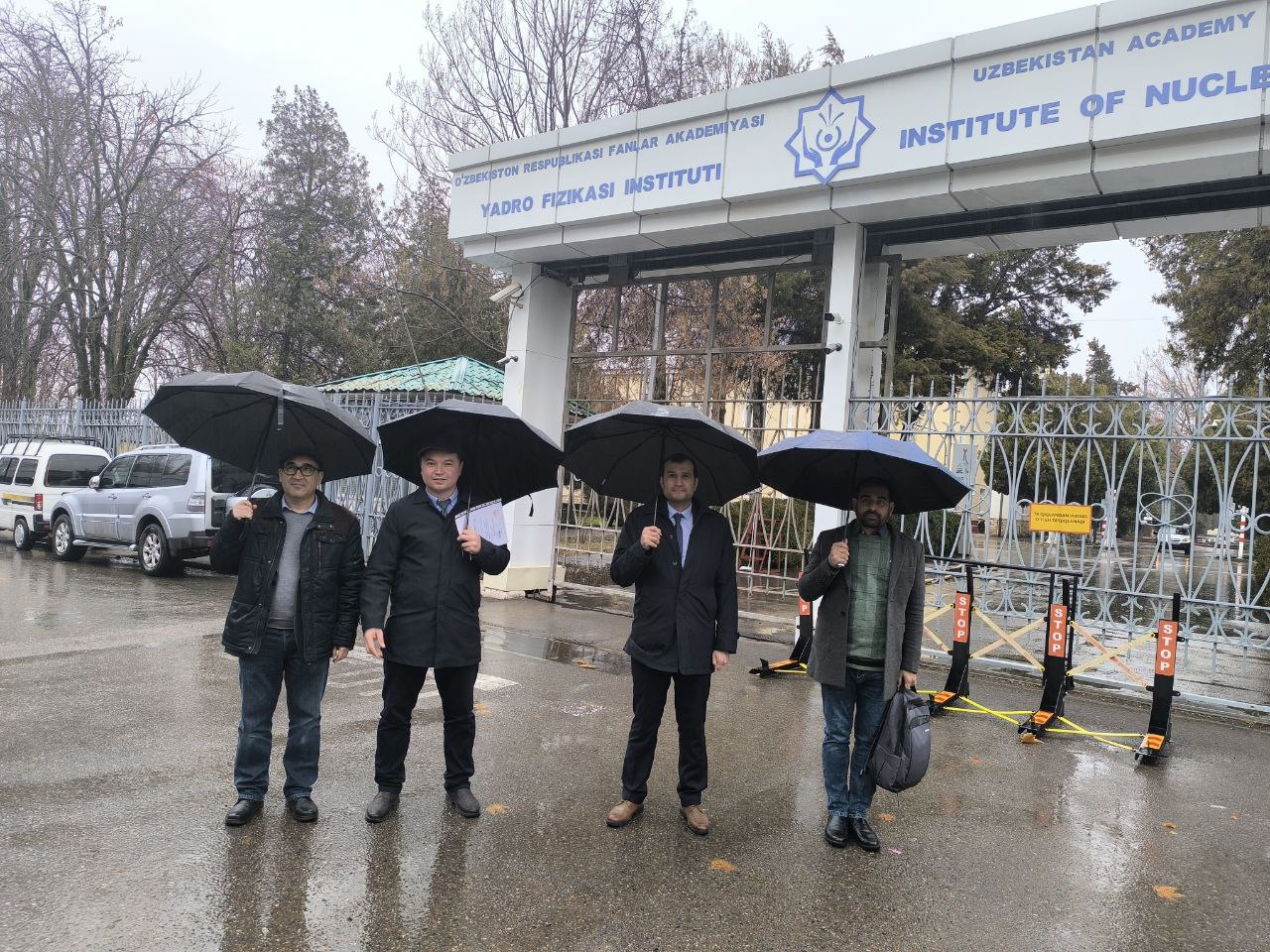
During the visit, detailed discussions were held regarding the Institute’s advanced research infrastructure and ongoing scientific activities. The Institute hosts the only research reactor in Central Asia, serving as a key facility for studies in post-radiation material analysis, development of radiopharmaceuticals for oncology, shelf-life extension technologies, and other strategic research areas.
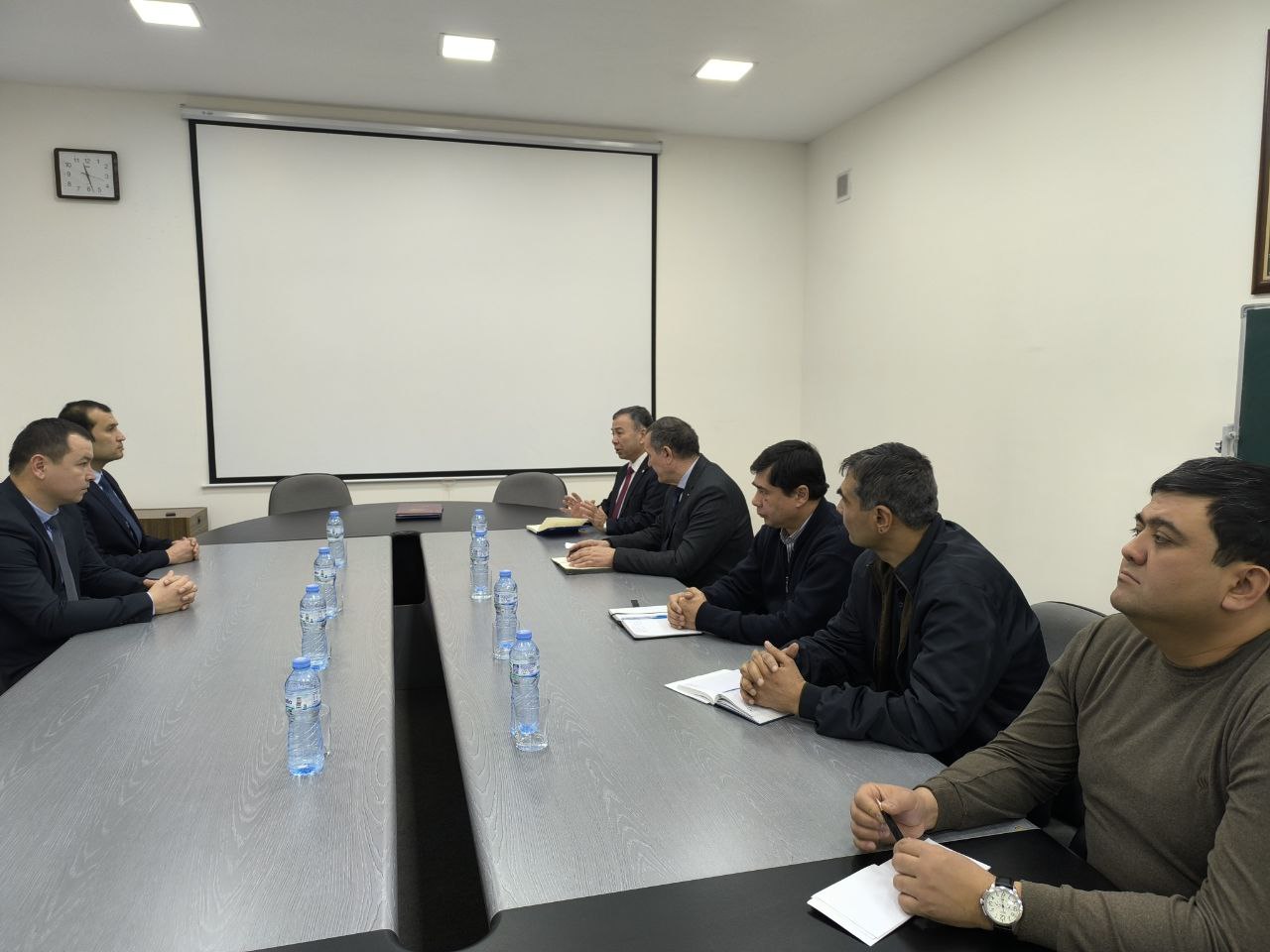
The primary objective of the visit was to formalize collaborative research initiatives. The delegation presented newly synthesized ZnO/CuO and ZnO/NiO/CuO nanocomposite materials. Joint research will focus on investigating their photocatalytic performance and structural stability following radiation exposure.
As part of the visit, a Memorandum of Understanding was signed. The agreement outlines joint research on radiation-induced structural and functional modifications of various nanocomposites, MXene, and MOF materials, with the goal of producing high-impact scientific publications. The collaboration will also include studies on the synergistic effects of radiation and plasma treatment on seeds.

The research activities will involve Kurbanov Ulugbek, as well as Diyor Tadjibaev and Normamat Ismatov. The collaboration aims to evaluate long-term radiation effects on smart nanocomposite materials, which are widely applied in advanced sensor technologies and space engineering. Understanding radiation-induced modifications is critically important, particularly given evidence that radiation can, in certain cases, enhance material properties.

Both institutions expressed confidence that this partnership will lead to significant scientific outcomes and impactful research contributions.