IFAR and IGPEB Sign MoU to Boost Research Collaboration
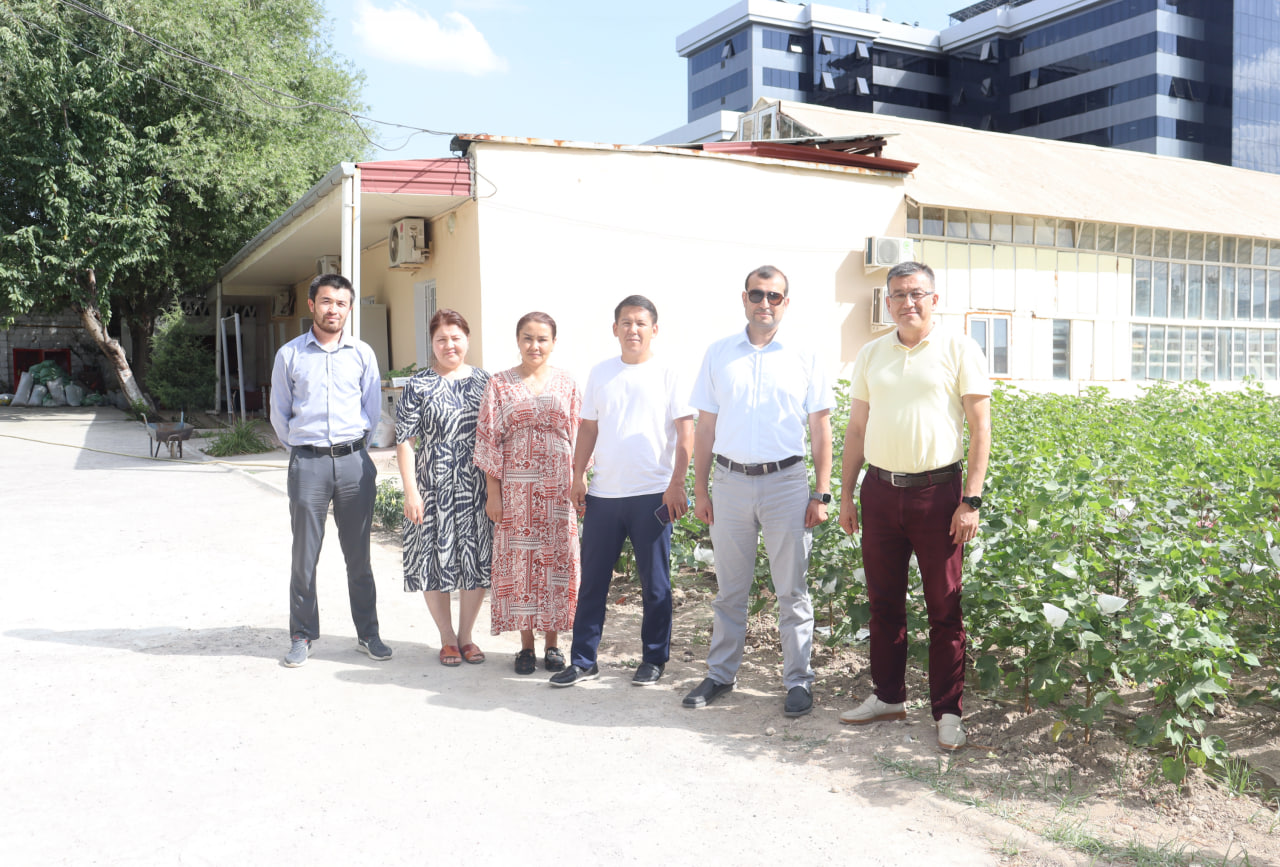
The Institute of Fundamental and Applied Research (IFAR) at the National Research University TIIAME and the Institute of Genetics and Plant Experimental Biology (IGPEB) of the Academy of Sciences of the Republic of Uzbekistan have signed a Memorandum of Understanding (MoU) to establish a comprehensive framework for research collaboration. The MoU was formalized by Dr. Jamoliddin Razzokov, Director of IFAR, and Prof. Narimanov Abdujalil, Director of IGPEB.
Purpose of the MoU
The primary aim of this MoU is to foster cooperation in research and development in several cutting-edge fields. These include Plasma Agriculture, understanding molecular mechanisms involving reactive oxygen and nitrogen species (RONS), genetic modifications in plasma-treated seeds, monitoring hormone activity in plant development, and leveraging artificial intelligence tools for data analysis.
Key Areas of Collaboration
1. Plasma Agriculture
IFAR researchers will apply plasma treatments to plant seeds.
IGPEB scientists will evaluate the subsequent development of these plants, focusing on
germination rates, stress tolerance, and other growth parameters.
The initial phase will target various wheat and cotton types, with plans to expand to
legumes in later stages.
2. Molecular Mechanisms
IFAR will investigate the effects of RONS on critical proteins, including antioxidant
and signaling proteins.
This research aims to identify cellular changes and modifications to plant cell
membranes and genes.
3. Genetic Analysis
IGPEB will employ advanced tools to compare the genes of plasma-treated seeds with
control samples.
They will also monitor hormone activity throughout different stages of plant
development.
4. Long-Term Effects
The MoU includes studying the residual effects of cold atmospheric plasma on harvested
seeds to understand long-term impacts on plant health and productivity.
5. Artificial Intelligence
IFAR will utilize artificial intelligence tools to analyze collected data, facilitating
the interpretation and drawing of conclusions from large datasets.
This collaboration is expected to significantly advance research in these areas,
leveraging the combined expertise and resources of both institutes. The partnership aims
to contribute to the development of innovative agricultural practices and enhance our
understanding of plant biology, ultimately benefiting the agricultural sector in
Uzbekistan and beyond.