IFAR Hosts Prof. Marek Kejna’s Visit Under Erasmus+ KA171 Program
📅 June 16–20, 2025
📍 National Research University TIIAME, Tashkent, Uzbekistan
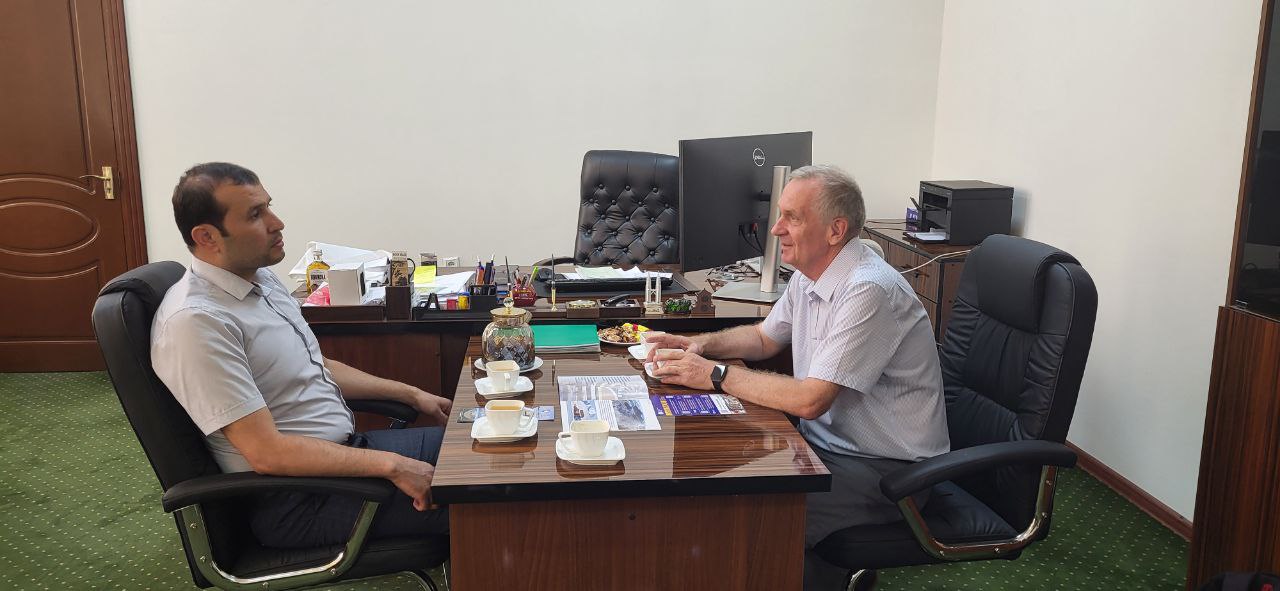
During his visit, Prof. Kejna held meetings with Dr. Jamoliddin Razzokov, Director of IFAR, and Dr. Mukhiddin Juliev, Head of the Laboratory for Assessing the Impact of Climate Change on Agricultural Production. Discussions centered around developing joint strategies for climate change mitigation and adaptation, aligned with regional priorities.

Scientific exchange and academic outreach
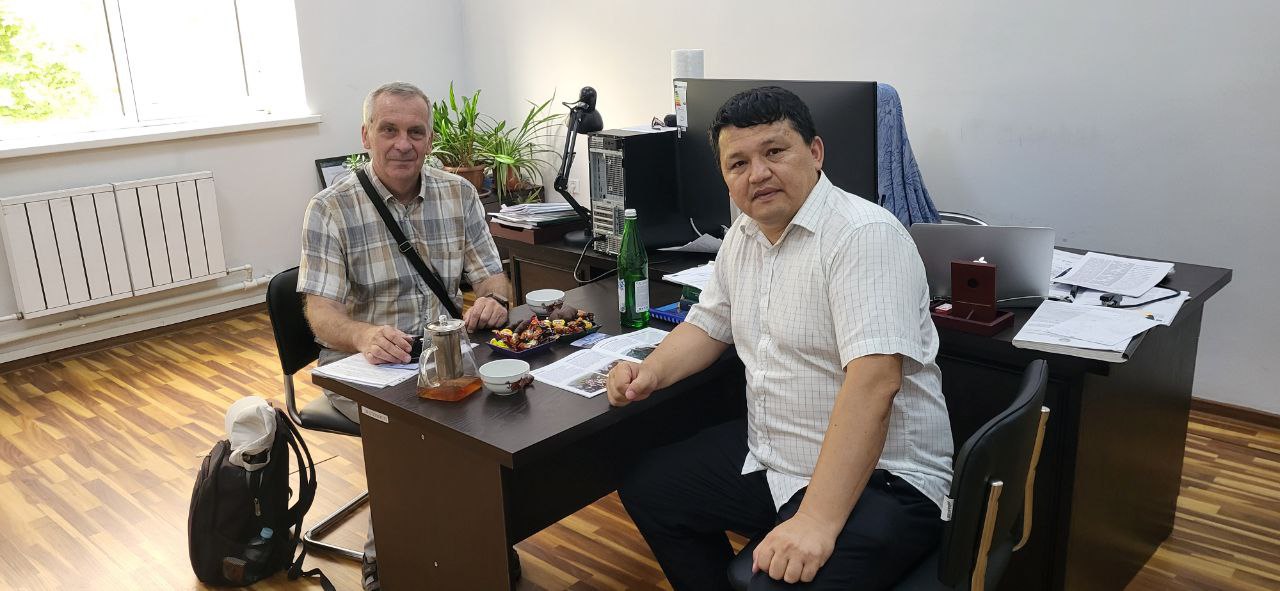
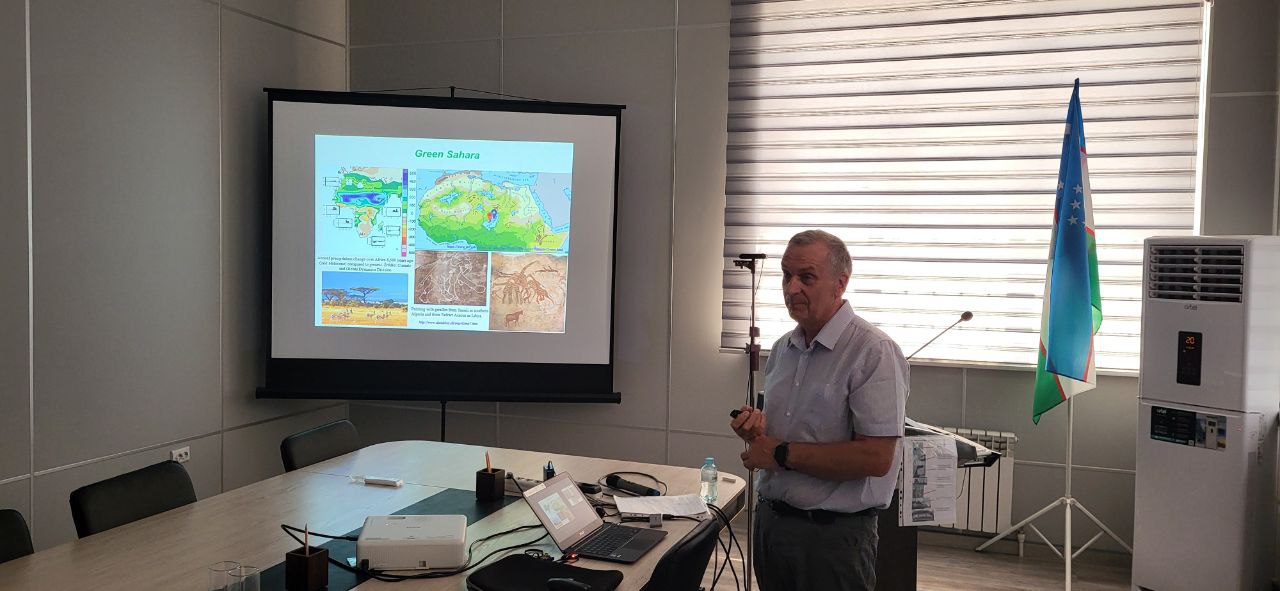
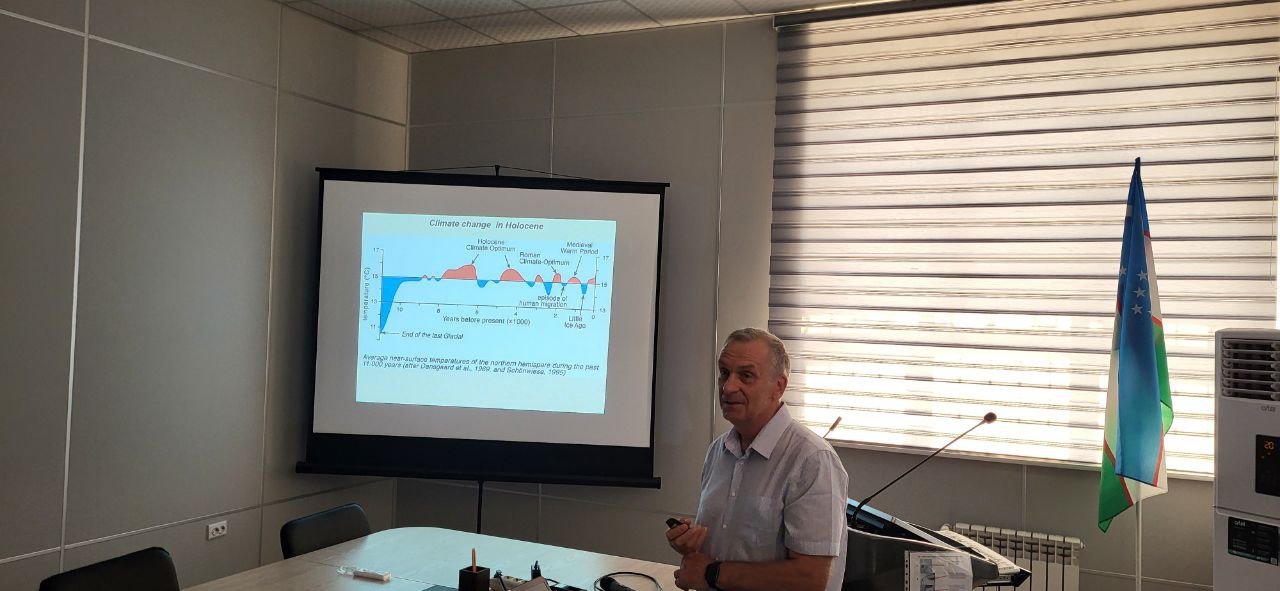
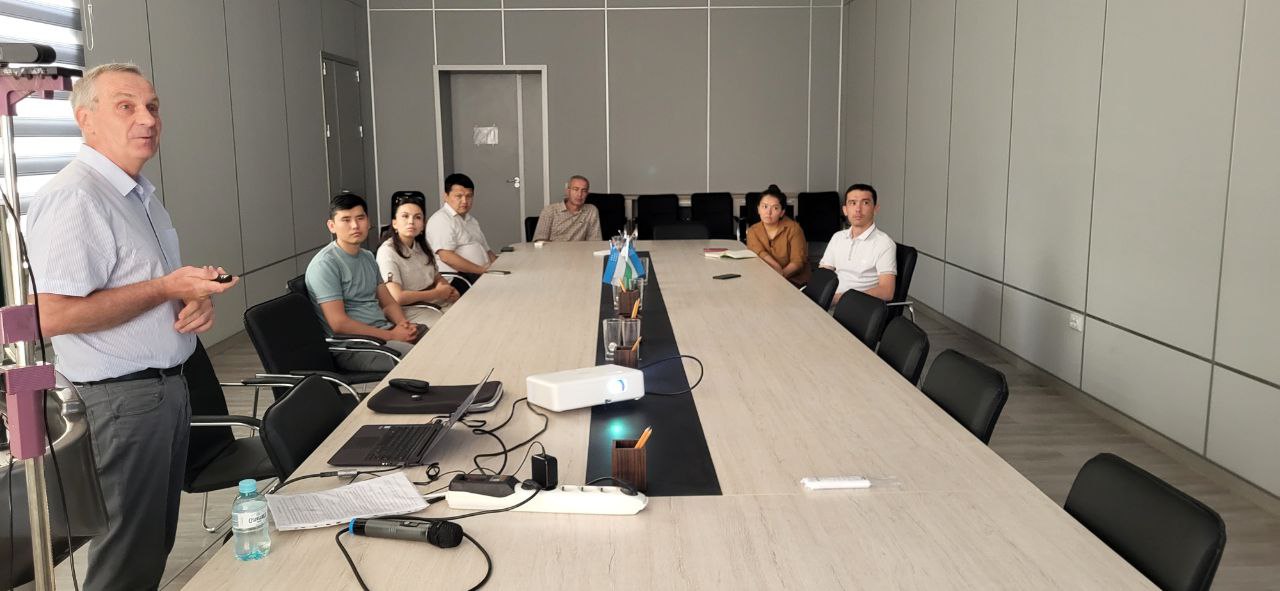
As part of the visit, Prof. Kejna delivered a series of insightful lectures to IFAR researchers and PhD students. Topics included:
- The causes and effects of climate change
- Mitigation and adaptation strategies in agriculture
- A special lecture on Poland’s natural environment, history, and cultural heritage
The Institute of Fundamental and Applied Research (IFAR) proudly hosted Prof. Marek Kejna (dr hab.) from Nicolaus Copernicus University in Toruń, Poland, as part of the Erasmus+ KA171 program. The visit was held at the Institute of Irrigation and Agricultural Mechanization Engineers, a subunit of TIIAME.
This visit marked a continuation and expansion of the existing collaboration between soil scientists from both institutions. The primary aim of Prof. Kejna’s visit was to initiate joint research activities focused on the impacts of climate change in Poland and Central Asia.
Water scarcity and climate resilience in focus
Uzbekistan is one of the countries most affected by water scarcity, with water resources mainly derived from precipitation and the melting glaciers of the Tien Shan and Pamir-Alay mountains. Ongoing climate warming poses a serious threat to the nation’s economy—especially to agriculture, which heavily depends on irrigation systems.
Experiencing Tashkent’s climate resilience
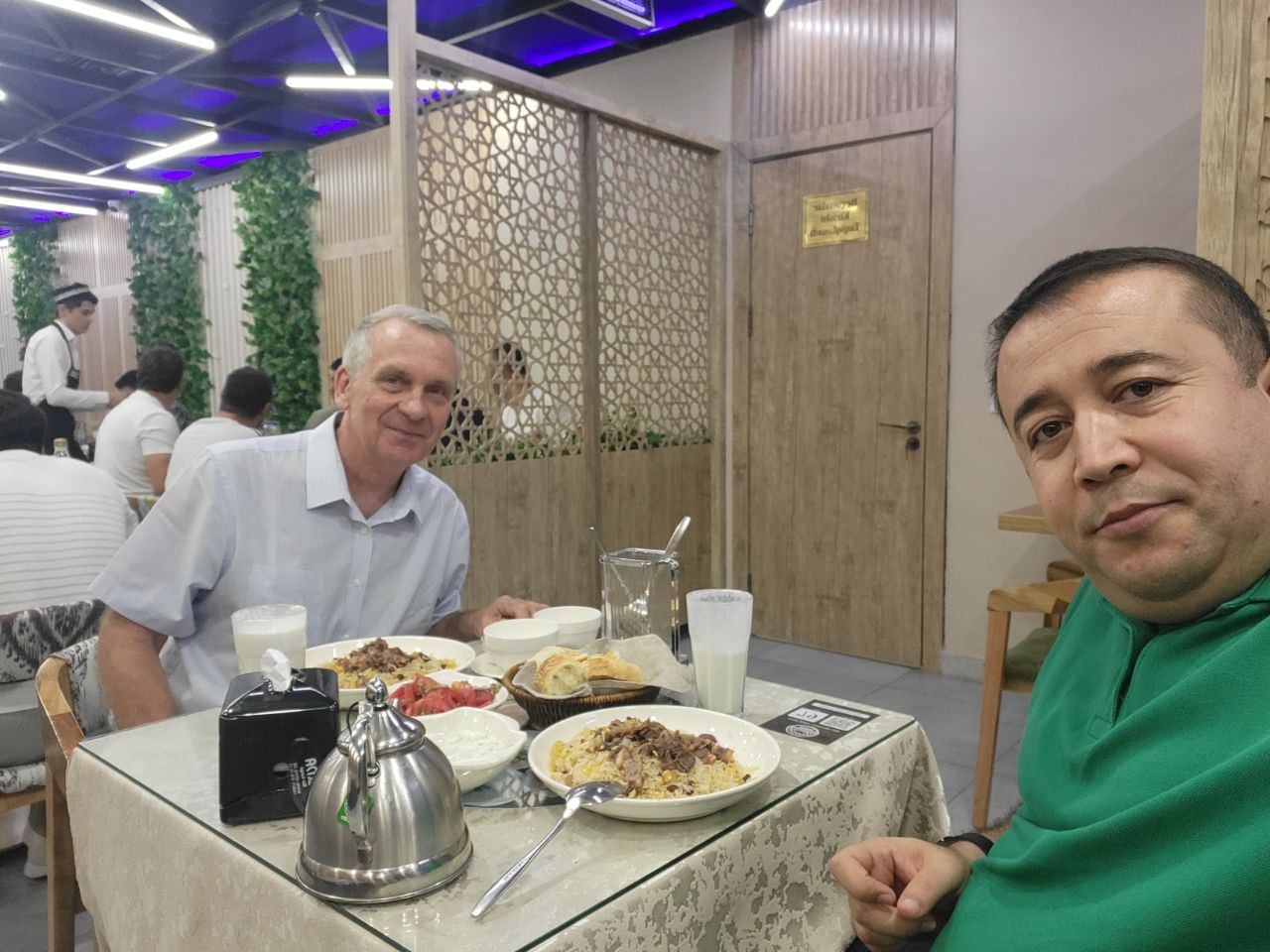
The IFAR team also introduced Prof. Kejna to the urban and environmental landscape of Tashkent—a metropolitan city of over 3 million residents—highlighting how it operates under a hot, arid subtropical climate.
This fruitful visit not only strengthened academic ties between Poland and Uzbekistan but also paved the way for collaborative research addressing one of the most urgent global challenges of our time: climate change.