Thoughts on Working in China
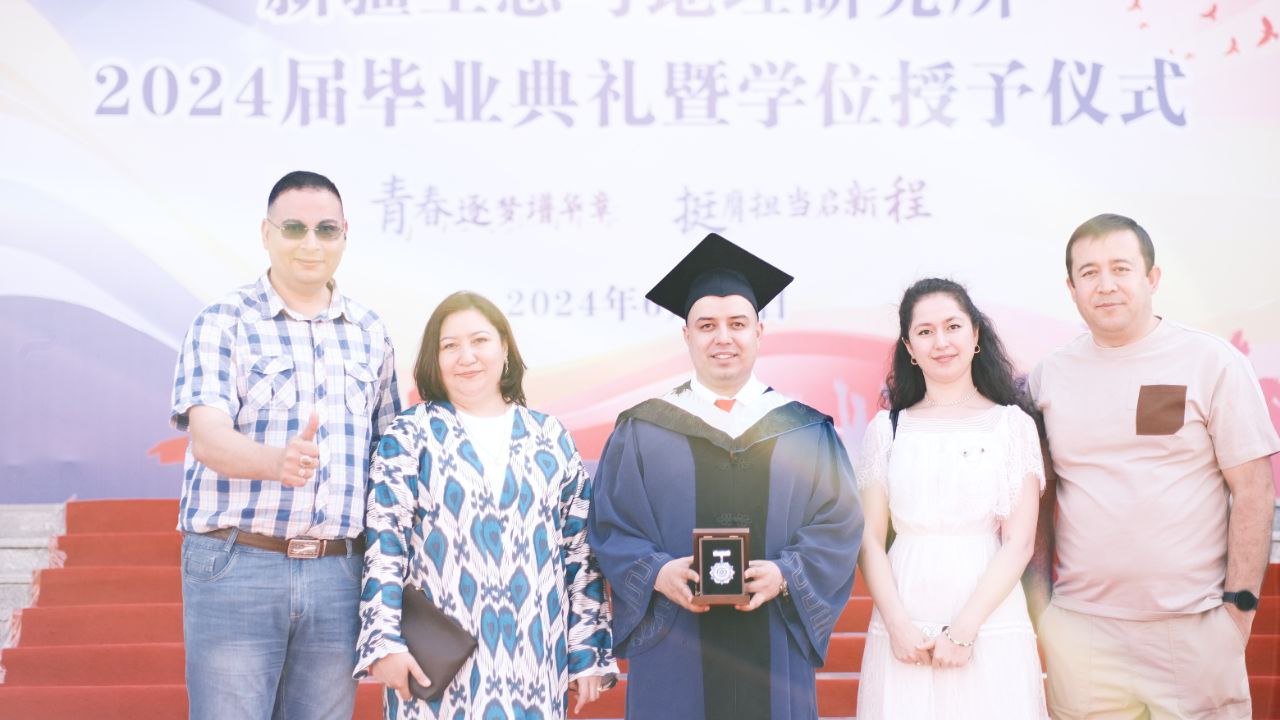
Nine-month stay of Dr. Mukhiddin Juliev in China as part of the PIFI (President’s International Fellowship Initiative) program was not just another milestone in his academic career, but an important stage of personal and professional growth. While working at the Institute of Ecology and Geography of the Chinese Academy of Sciences, he gained unique experience that allowed him not only to deepen his scientific research but also to broaden the horizons of collaboration, make new friends, and feel like part of the international scientific community.
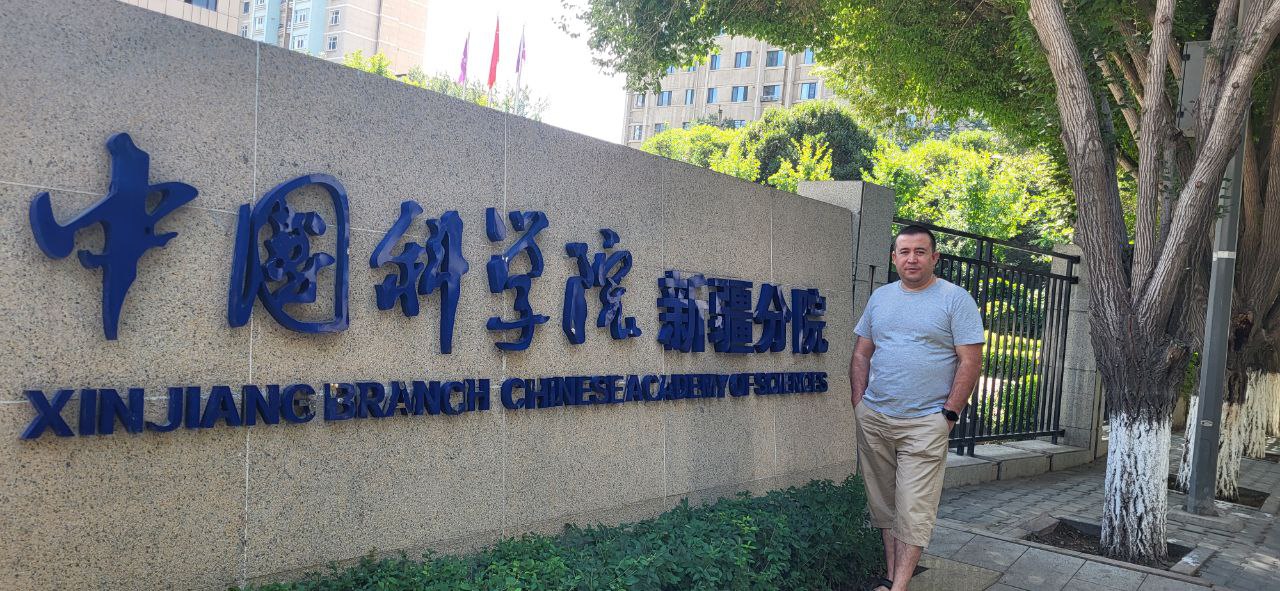
His main activity in China focused on the study of land degradation processes, water scarcity, and the monitoring of landslide processes in Central Asia. In collaboration with Chinese scientists, he had the opportunity to use modern technologies, including satellite monitoring, machine learning methods, and geographic information systems (GIS) to analyze landslide and soil degradation risks.
The Institute of Ecology and Geography of the Chinese Academy of Sciences pleasantly surprised him with its modern scientific infrastructure, access to unique databases, and a highly professional research team. The atmosphere among the staff was exceptionally friendly and open. He felt not like a guest, but like a full-fledged member of the scientific team.
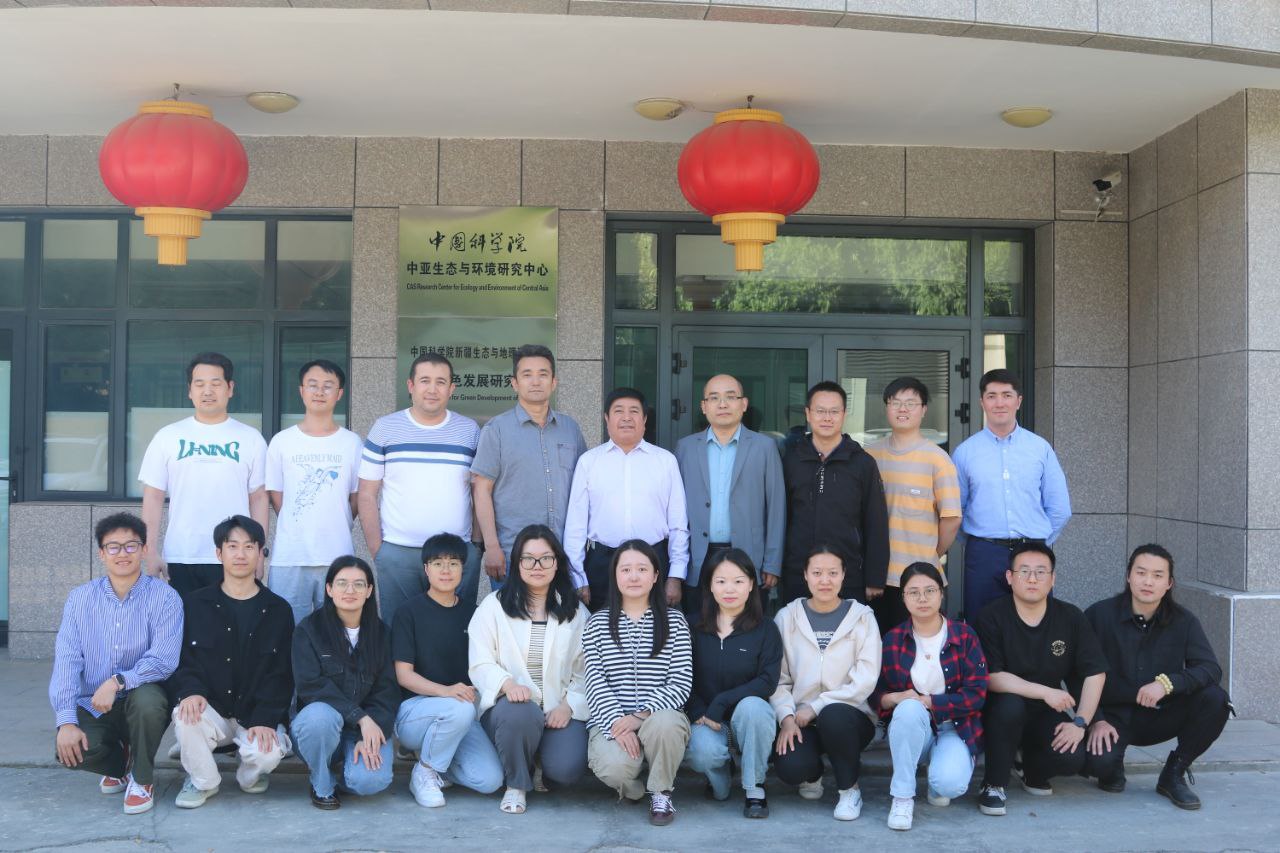
The work rhythm was intense but balanced. Each day brought new knowledge, challenges, and opportunities for academic development. Chinese colleagues were always ready to help, discuss ideas, propose joint projects, and share their experience in organizing expeditions and data analysis.
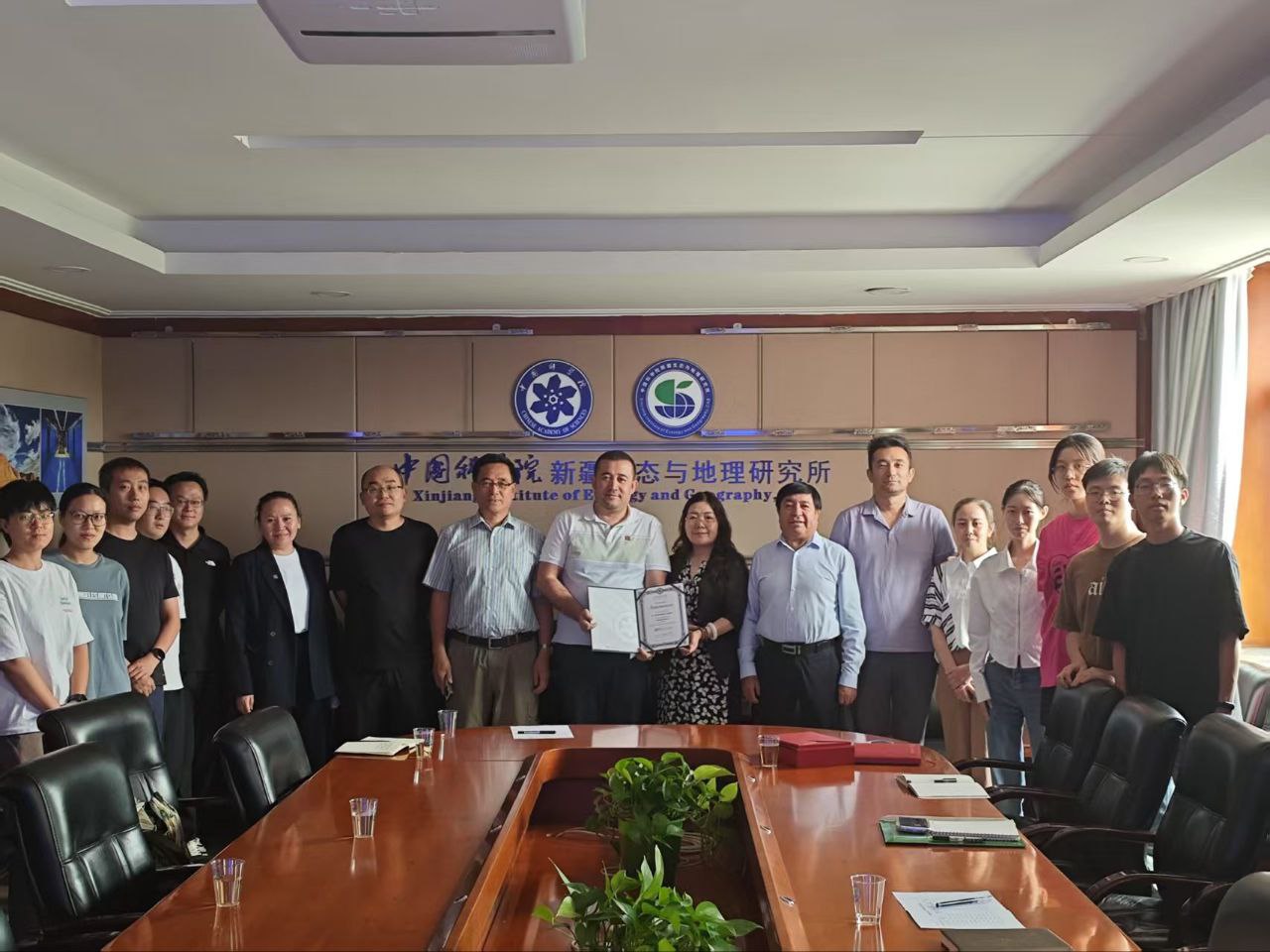
He was particularly impressed by the culture of respect for science and scientists that he observed at the Institute. Scientific work is highly valued and supported by both the government and society, creating favorable conditions for conducting advanced research.
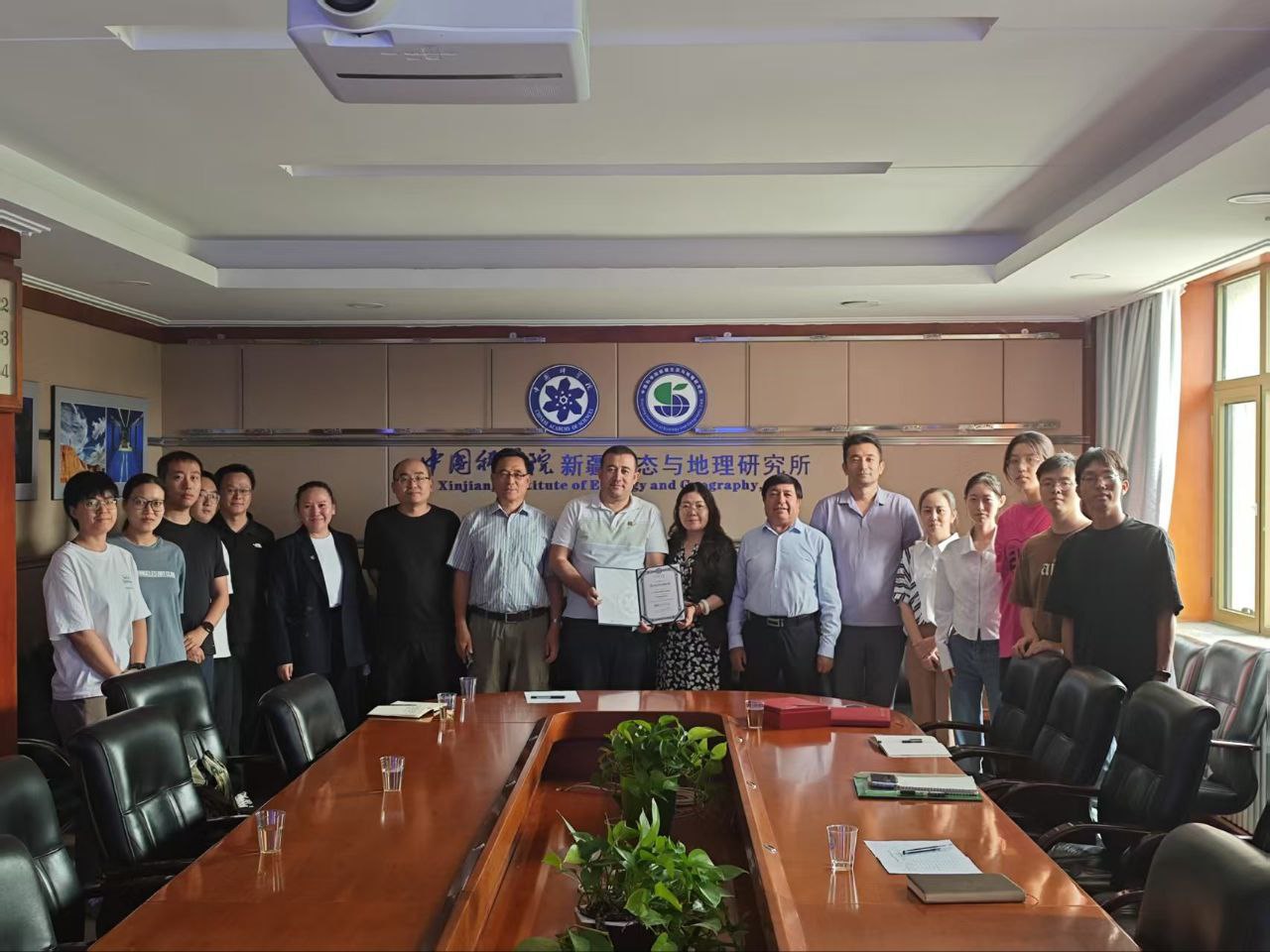
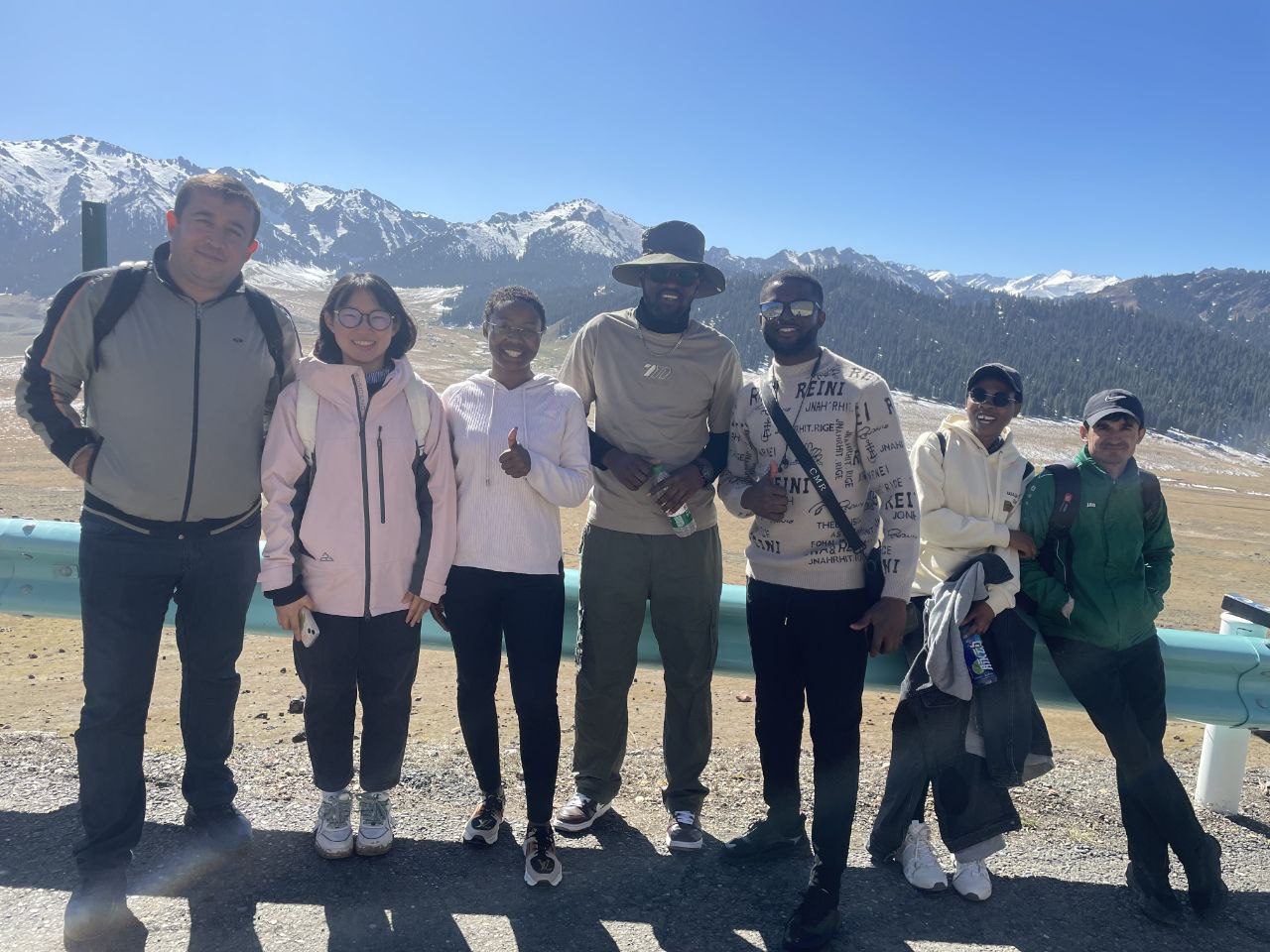
During the fellowship, he met many talented researchers from different countries. Shared lunches, informal meetings, and discussions of scientific and life topics brought them closer and turned colleagues into friends. They spoke not only about articles and models but also about cultural differences, traditions, and family values.
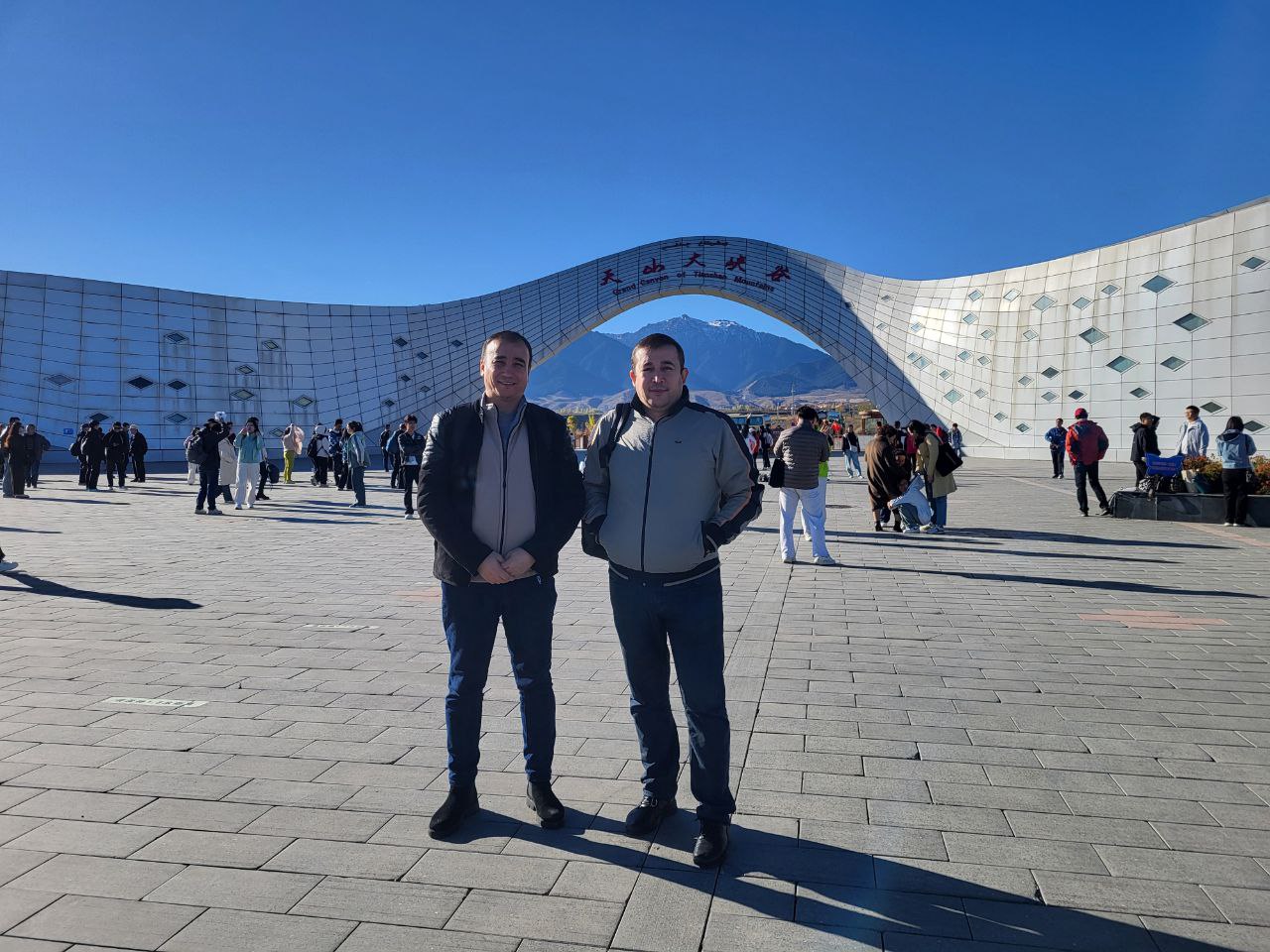
Firstly, the fellowship in China strengthened his research skills, taught him how to use modern analytical tools, and to work effectively in an international team.
Secondly, it gave a boost to new ideas and projects, expanded his academic horizons, and deepened his understanding of global environmental issues.
Thirdly, he learned to be more flexible and patient, to value cultural differences, and to find common ground with representatives of different scientific schools and countries.
Finally, it was a chance to feel like part of a large international family of scientists working for a shared future.
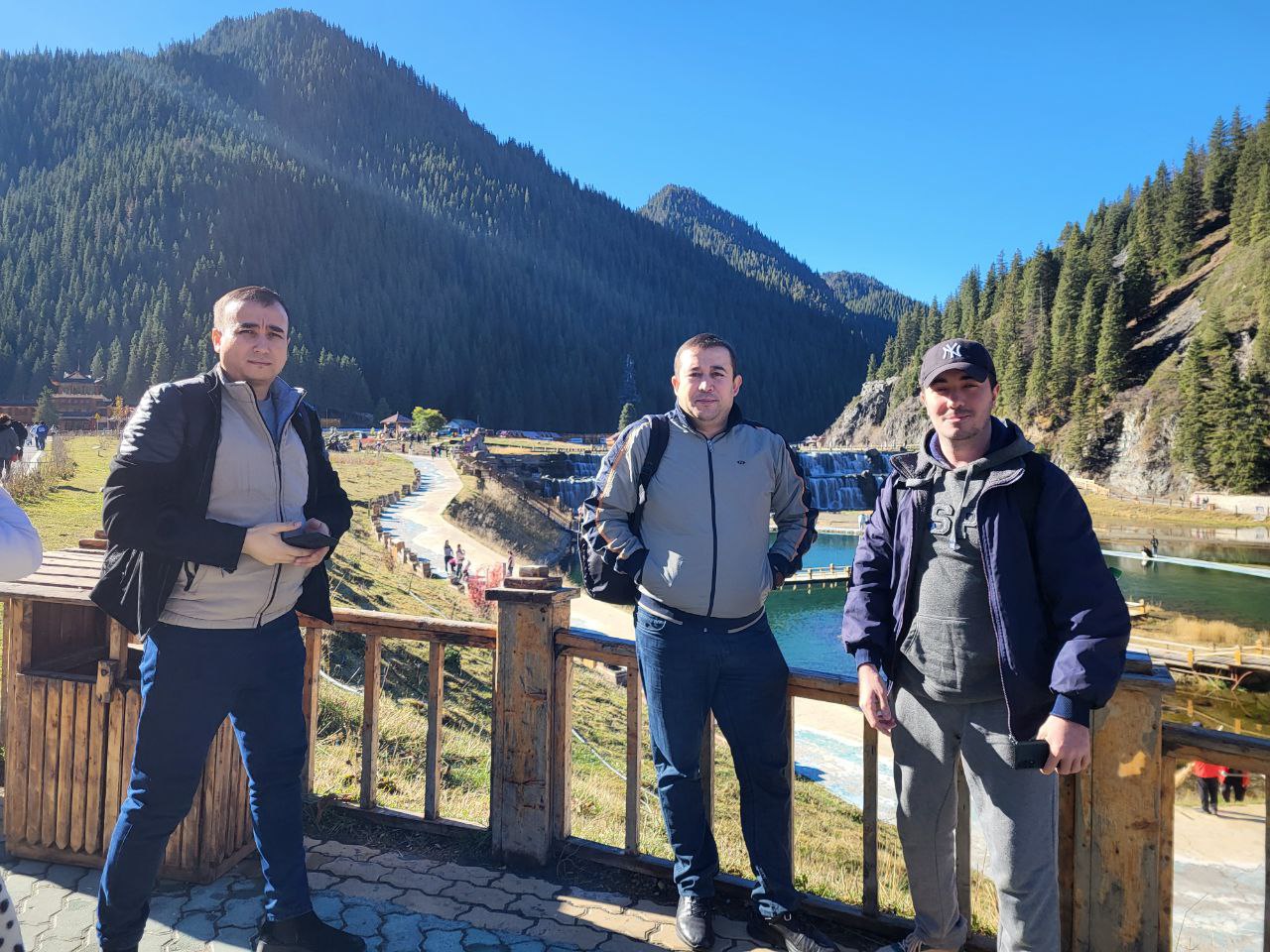
He expresses his sincere gratitude to the Chinese Academy of Sciences and the organizers of the PIFI program for the opportunity provided. He especially thanks the leadership of the Institute of Ecology and Geography, his scientific supervisors, and all the colleagues he had the chance to work with.
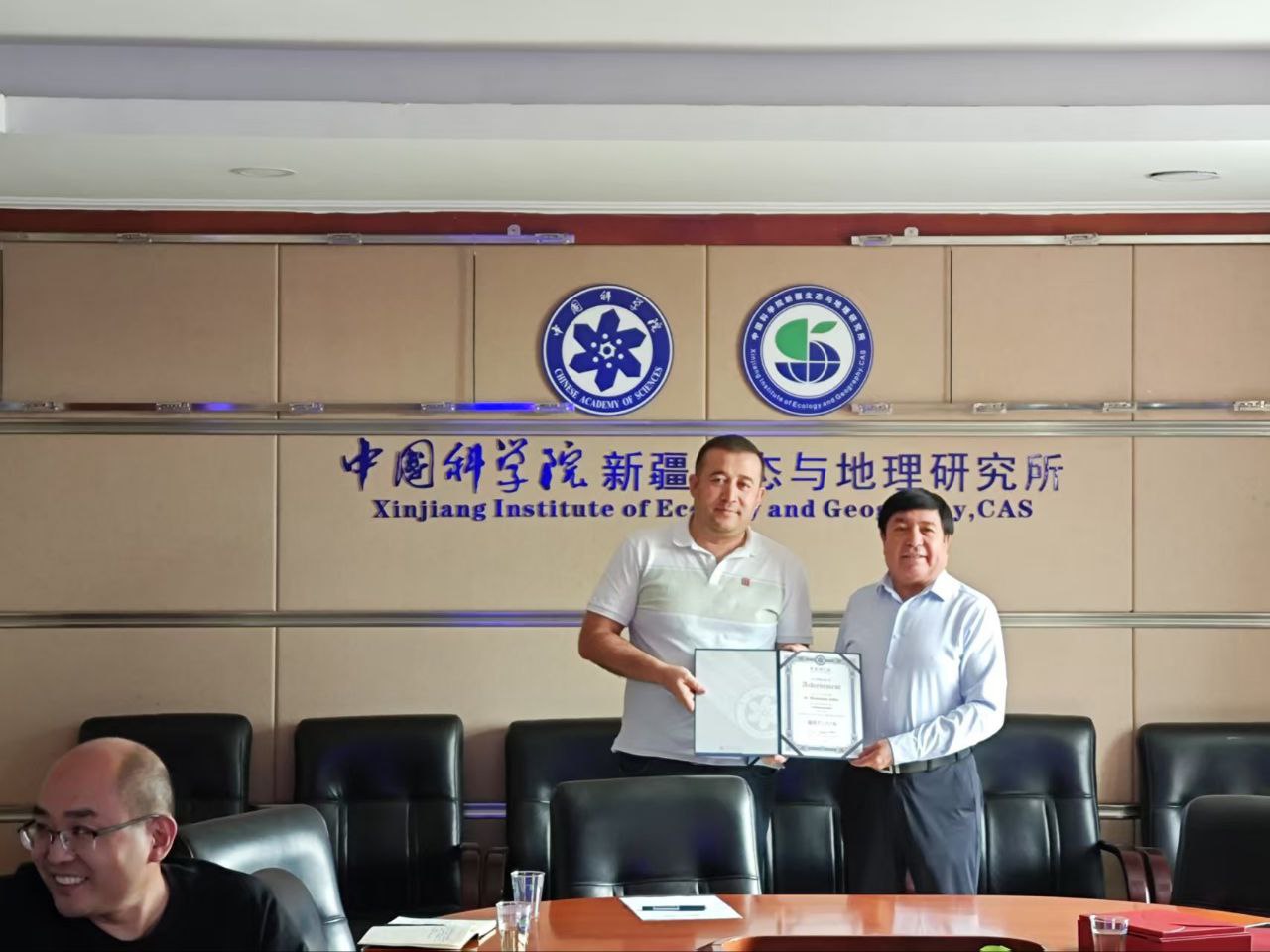
He also highlights the important role of international cooperation in science—initiatives like PIFI create strong bridges between countries, stimulate scientific exchange, and contribute to addressing global challenges, from climate change to land degradation.

Working in China left a profound mark on both his scientific biography and personal life. It was not just a project—it was a journey filled with knowledge, friendship, discovery, and professional growth. He can confidently say that China has become an important part of his scientific path, and he hopes that the collaboration will continue in the future.